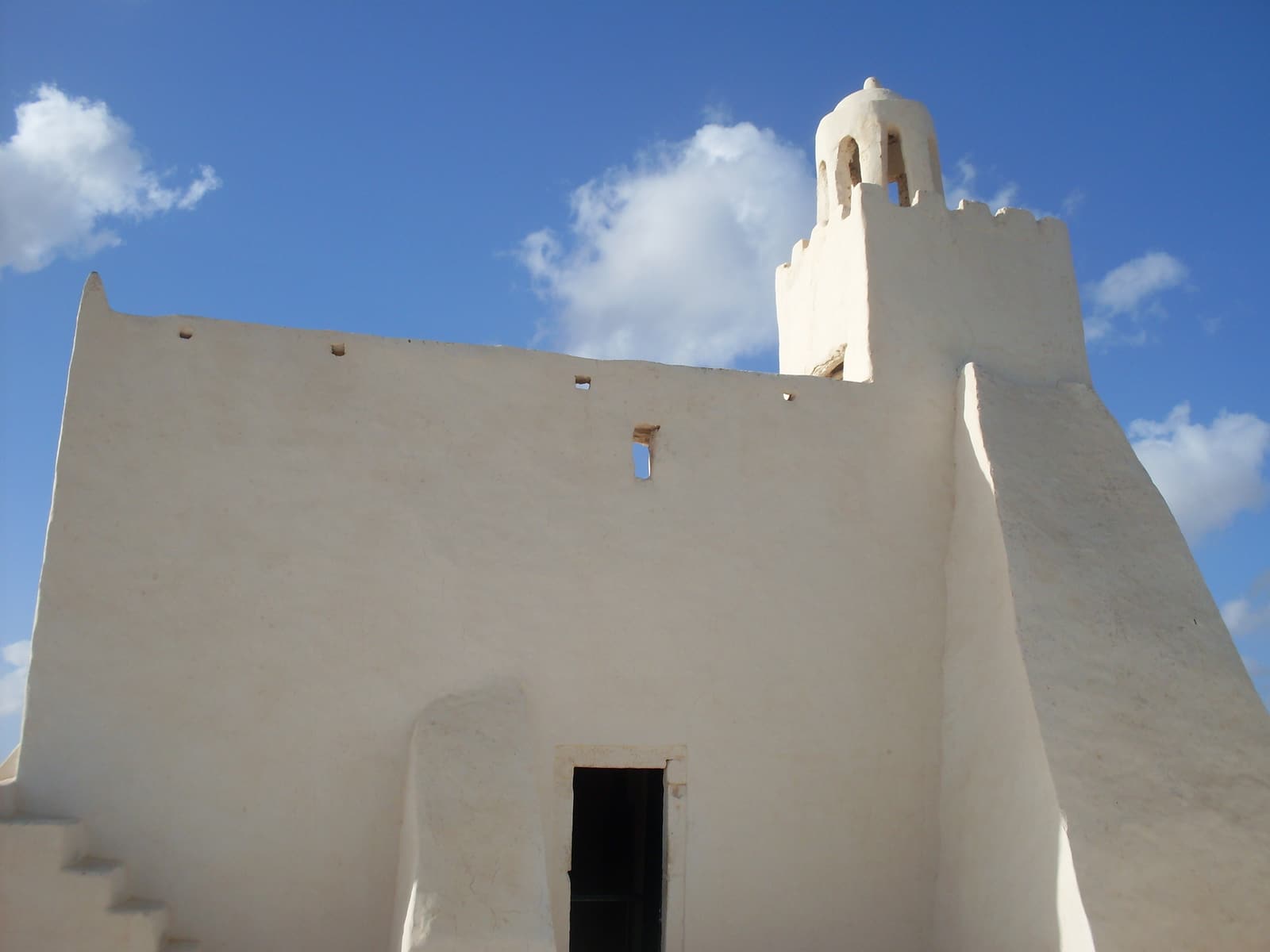
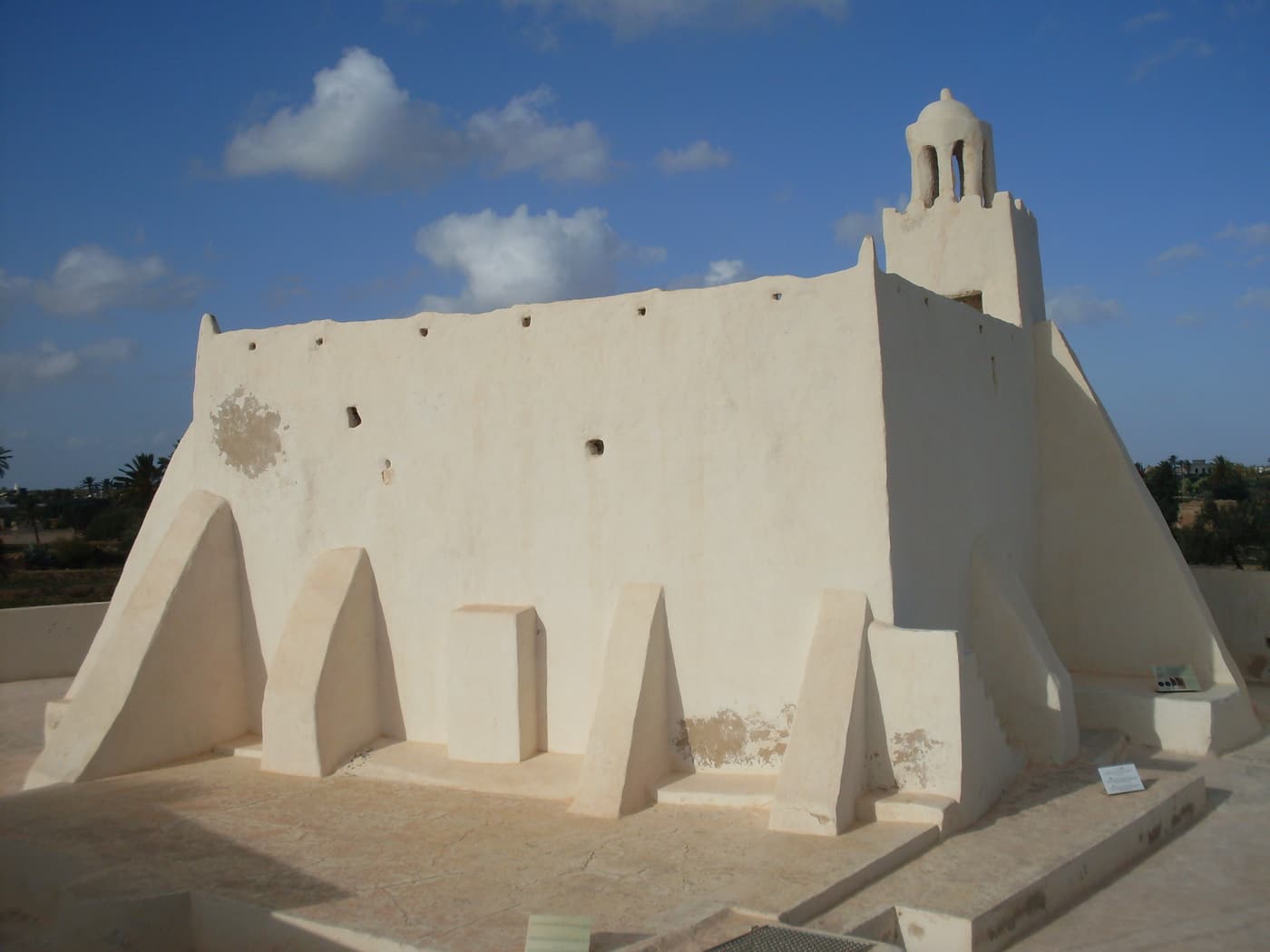
Djerba has hundreds of mosques, and many of them look nothing like the mosques of mainland Tunisia. Built by the island’s Ibadi community — a branch of Islam that survives today mainly in Oman, the Mzab valley of Algeria, the Nafusa mountains of Libya and Djerba — they are small, whitewashed and almost fortress-like, with thick buttressed walls, low domes and short minarets. Some even served as lookouts and refuges against raids from the sea.
The Fadhloun mosque, in the countryside of central Djerba, is the best known and one of the few routinely open to visitors. Its sculpted white volumes — a staircase climbing the outer wall, a squat minaret, a courtyard with a well and a vaulted prayer hall — are a photographer’s dream. It is no longer used for regular prayers and is maintained as a heritage site.
Since 2023 the island’s traditional settlement pattern — its mosques, menzels (family homesteads), synagogues and villages — has been inscribed on the UNESCO World Heritage List as “Djerba: testimony to a settlement pattern in an island territory”.
Top things to do: Fadhloun Mosque
Explore the mosque
Walk around the outside first to see the buttresses and staircase, then step into the courtyard and prayer hall. A caretaker usually collects a small fee and may offer a short explanation.
Look for other Ibadi mosques
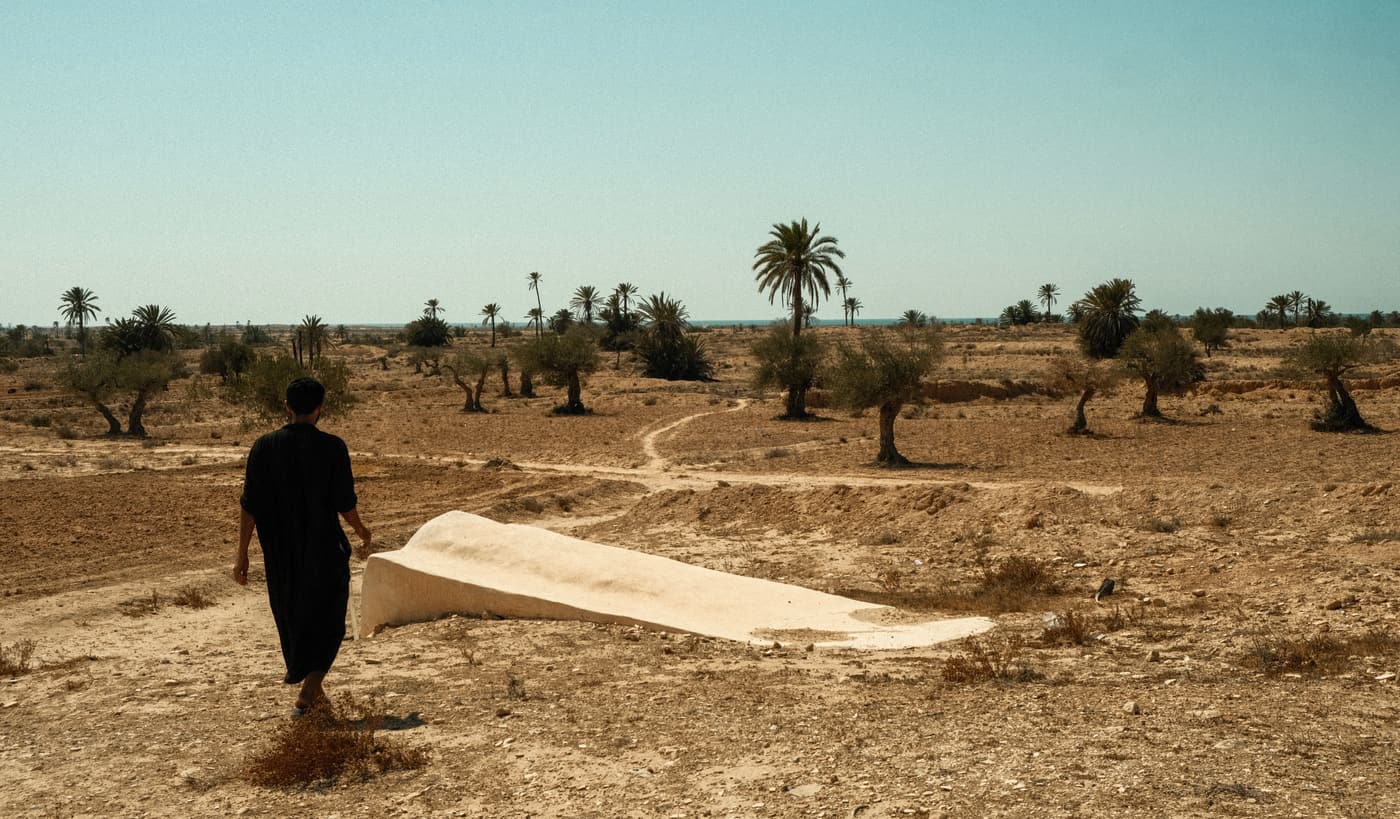
Small mosques dot the island’s countryside and coast, including underground mosques built for discretion. Many are active places of worship and should be viewed from outside unless you are invited in.
See a menzel and an olive mill
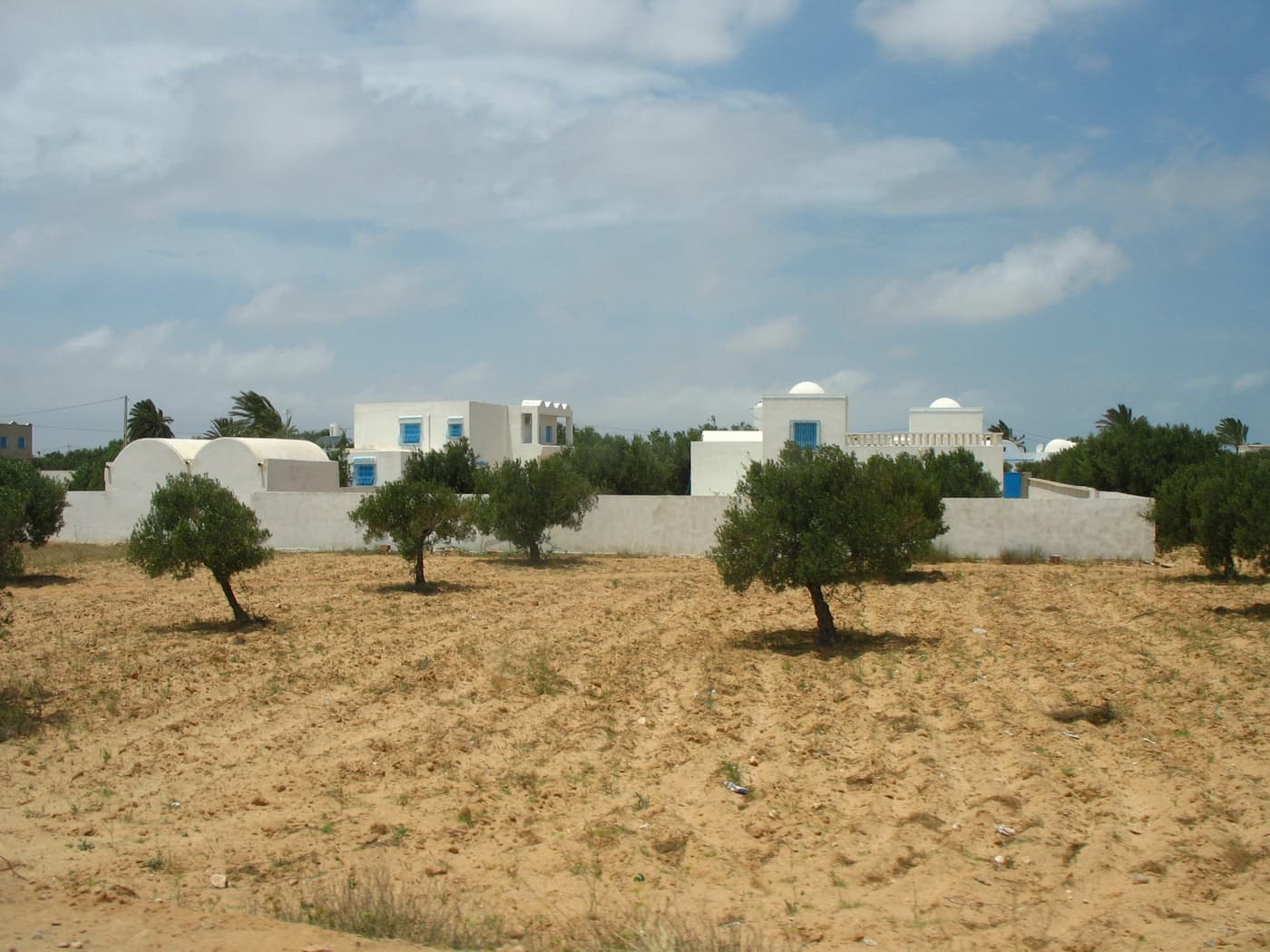
The interior of Djerba is a patchwork of olive groves and menzels — walled family compounds with a domed house, a cistern and a garden. Some old underground olive mills can still be seen; ask a guide or at the Heritage Museum in Houmt Souk.
How to get to Fadhloun Mosque
- By taxi or car: the mosque lies off the inland roads of central Djerba, roughly 15–25 minutes from both Houmt Souk and Midoun. Ask your driver for “Jemaa Fadhloun”.
- With a tour: some cultural and small-group island tours include Fadhloun; check the itinerary before booking.
Insider tips
- Visit in the morning or late afternoon: the white walls are dazzling at midday.
- Dress modestly and remove your shoes where asked.
- Opening hours are informal — if the gate is closed, try again later in the day.
Best tours for Fadhloun Mosque
These well-reviewed experiences are the easiest way to see Fadhloun Mosque:
 Small-group tour from €19
Best of Djerba: Cultural Gems and Traditions (Small Group)
A small-group minibus tour focused on the island’s culture rather than its beaches — traditional architecture, crafts and heritage — with more than a thousand reviews behind it.
- Small group in a minibus
- Crafts, heritage and village life
- Hotel pickup in the tourist zone
 Island tour from €19
Djerba Express: The Island’s Highlights in Half a Day
The most-reviewed Djerba tour on GetYourGuide by a wide margin: a guided half-day loop that packs the souks, El Ghriba and some of the island’s prettiest corners into one morning or afternoon.
- The souks of Houmt Souk
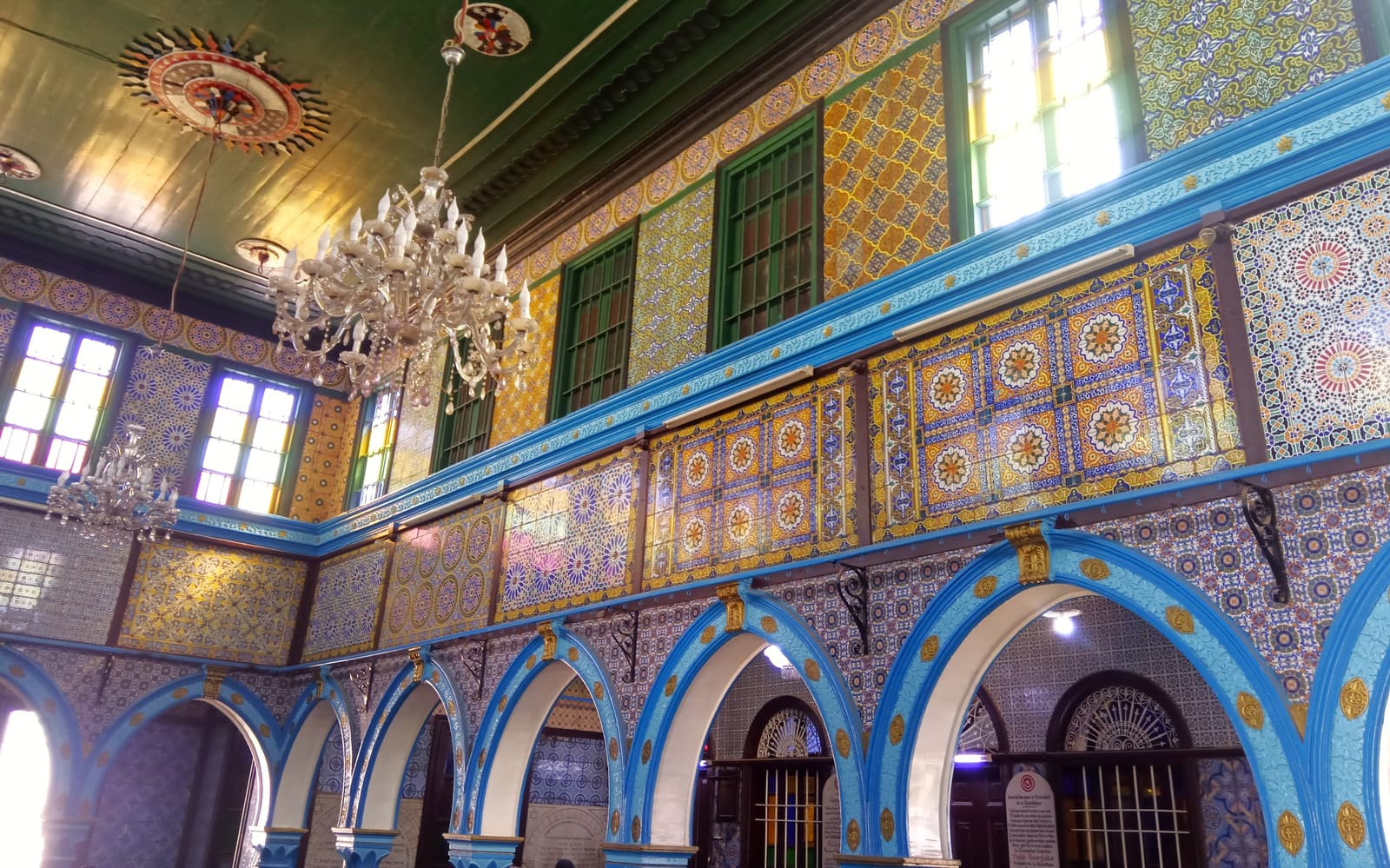
- A visit to the El Ghriba synagogue
- Beach and photo stops along the way