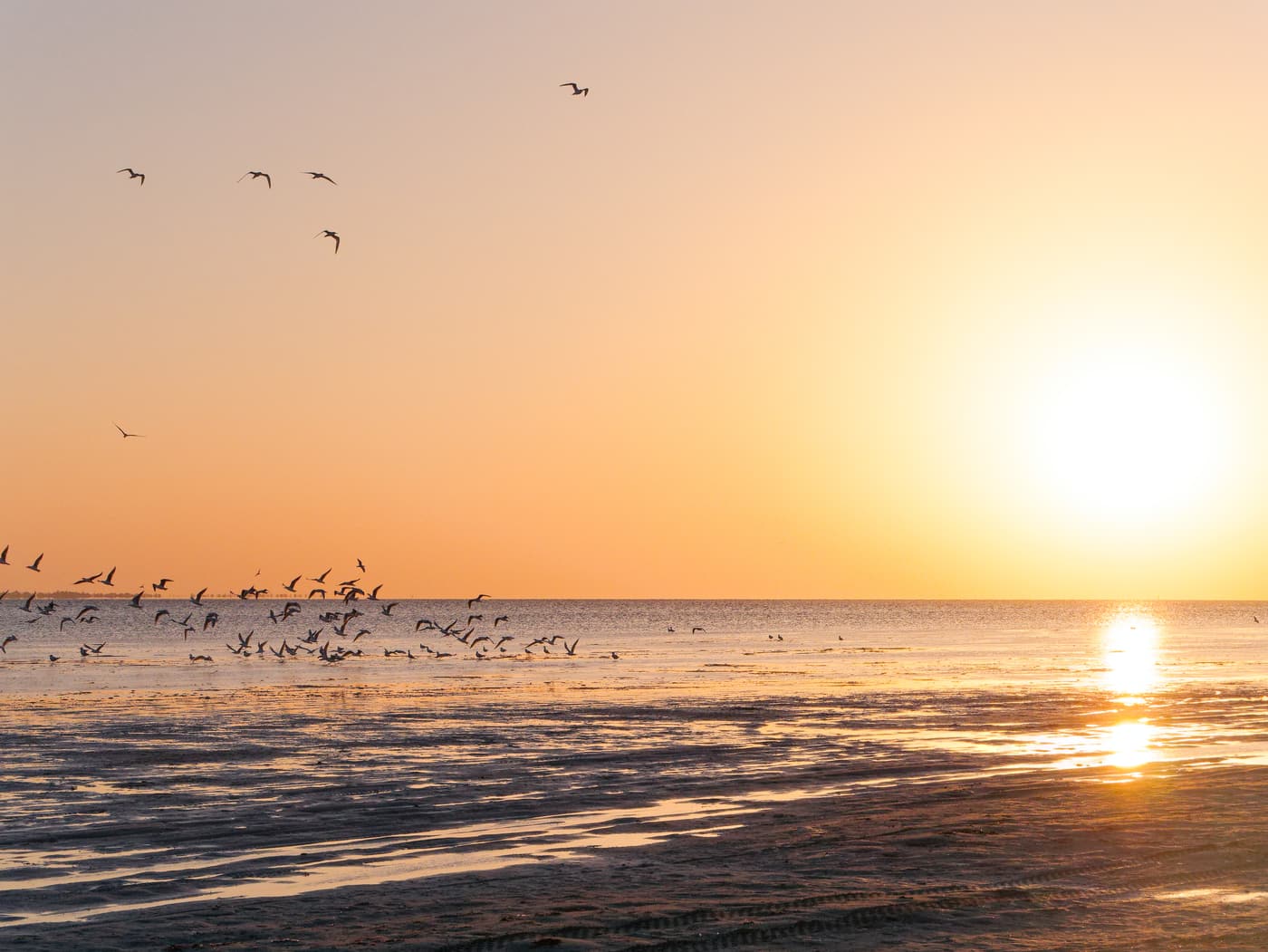
Djerba in brief
Djerba is a low, sunny island of about 514 km² in the Gulf of Gabès, in the governorate of Medenine in south-eastern Tunisia. Its main town is Houmt Souk; Midoun is the second town and the centre of the hotel coast. Arabic is the official language, French is widely spoken, and in tourist areas you will hear German, Italian, English and Russian too.
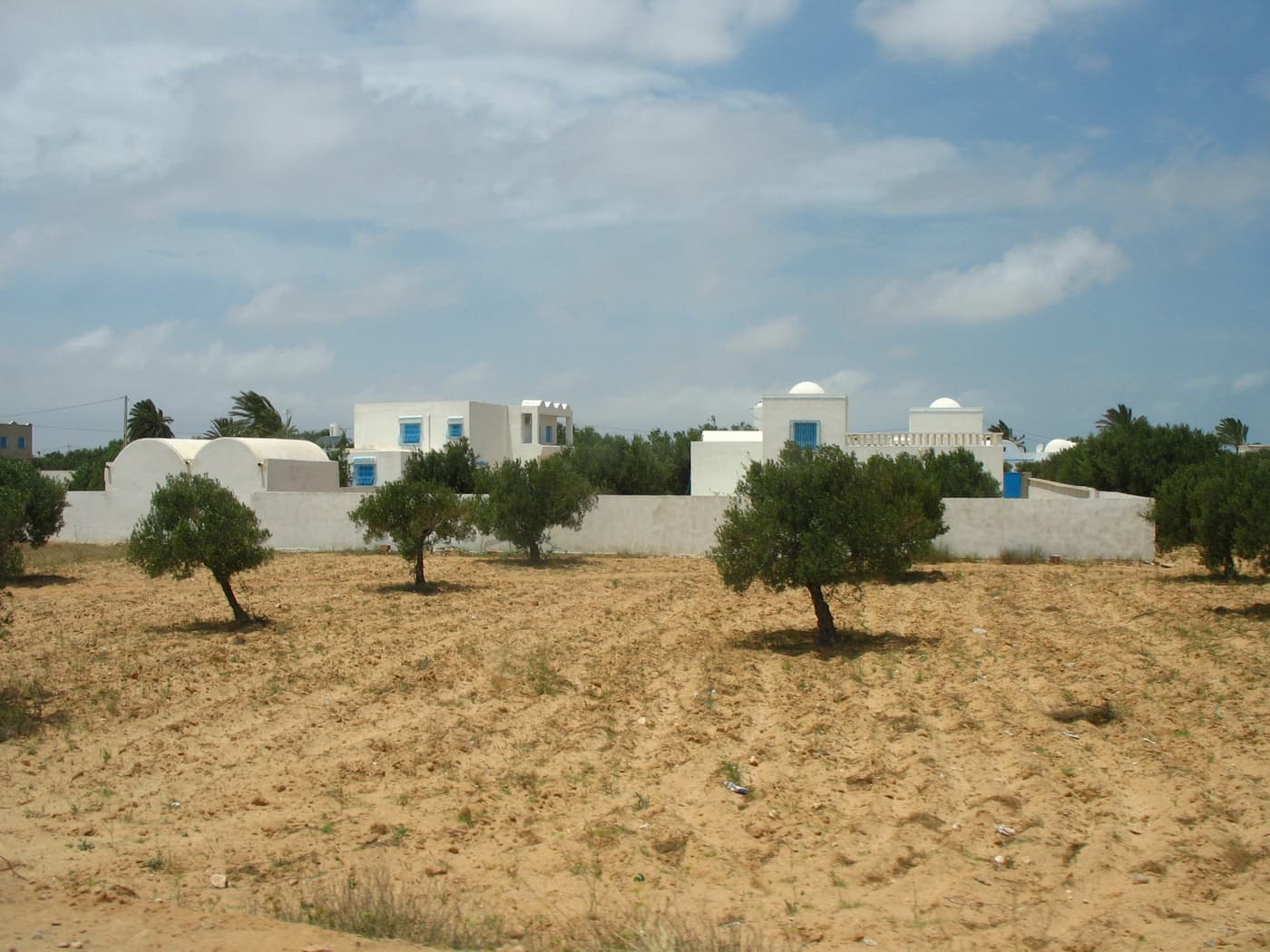
The island has a long and layered history. Phoenicians, Romans (whose town of Meninx stood near El Kantara), Arabs, Normans, Spaniards and Ottomans all fought over it. Its people developed a distinctive rural way of life: families lived in walled homesteads (menzels) dispersed among olive groves and orchards, grouped into neighbourhoods (houmas) around a mosque, with markets in the towns. Ibadi Muslims, Sunni Muslims and one of the oldest Jewish communities in the Arab world all made the island their home.
In 2023 UNESCO recognised this heritage by inscribing “Djerba: testimony to a settlement pattern in an island territory” on the World Heritage List — a series of sites including mosques, the El Ghriba synagogue, menzels, and the island’s villages and workshops.
Essential facts
| What to know | |
|---|---|
| Currency | Tunisian dinar (TND). Closed currency — exchange on arrival, keep receipts, change back before leaving. |
| Cards & ATMs | ATMs in Houmt Souk, Midoun and the hotel zone. Cards accepted in hotels and larger shops; cash for taxis, markets and tips. |
| Language | Arabic (Tunisian dialect); French widely spoken; English in hotels and with guides. |
| Time zone | Central European Time (UTC+1), no daylight saving. |
| Electricity | 230 V, European two-pin plugs (types C and E). |
| Tipping | Appreciated: round up taxi fares, leave around 10% in restaurants, tip guides and drivers. |
| Water | Drink bottled or filtered water. |
| Emergency | Police 197, ambulance (SAMU) 190 — or ask your hotel reception. |
 Towns, villages & heritage
Houmt Souk
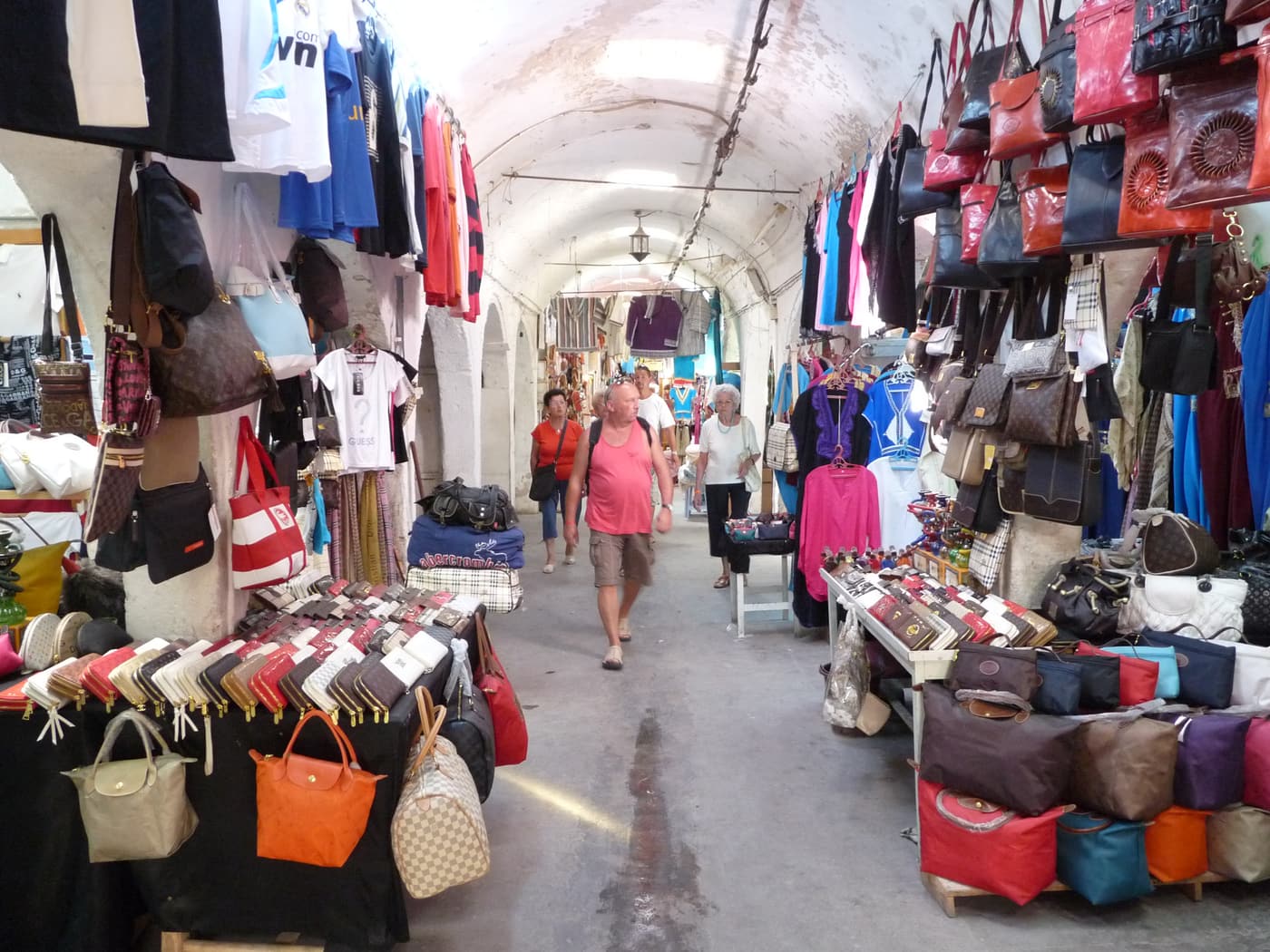
The island capital: covered souks, old fondouks, a harbour and a seafront fort.
Djerba’s main town and market since the Middle Ages: a tangle of vaulted souks and small squares, former caravan inns (fondouks) turned into guesthouses, a fishing harbour, a heritage museum and the fort of Borj El Kebir on the sea.
 Towns, villages & heritage
El Ghriba Synagogue
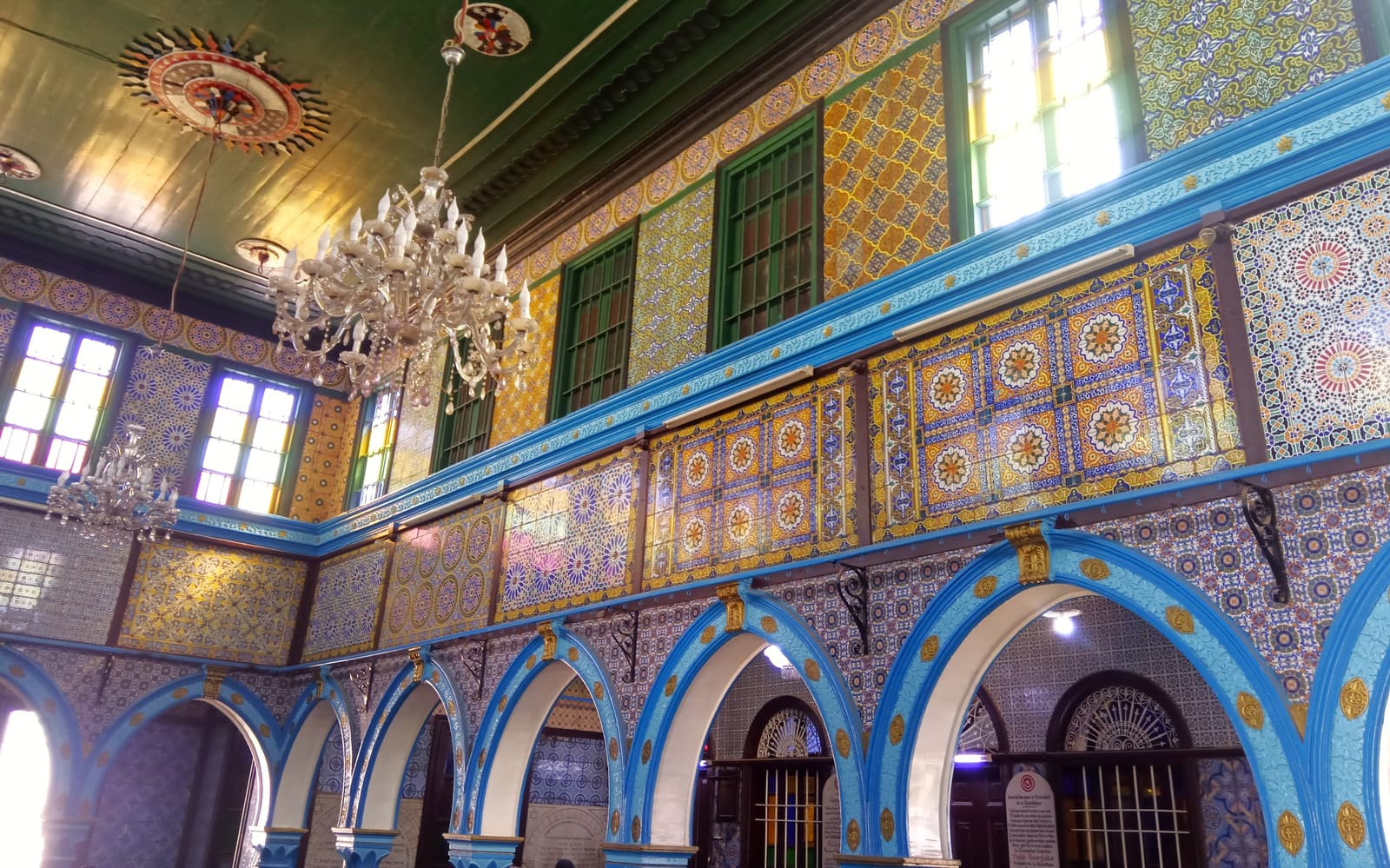
One of the oldest Jewish places of worship in Africa, in the village of Erriadh.
A synagogue revered for centuries by the Jews of Djerba — one of North Africa’s oldest surviving Jewish communities — with a richly tiled blue-and-white prayer hall and an annual spring pilgrimage. Visitors are welcome outside services, under tight security.
 Towns, villages & heritage
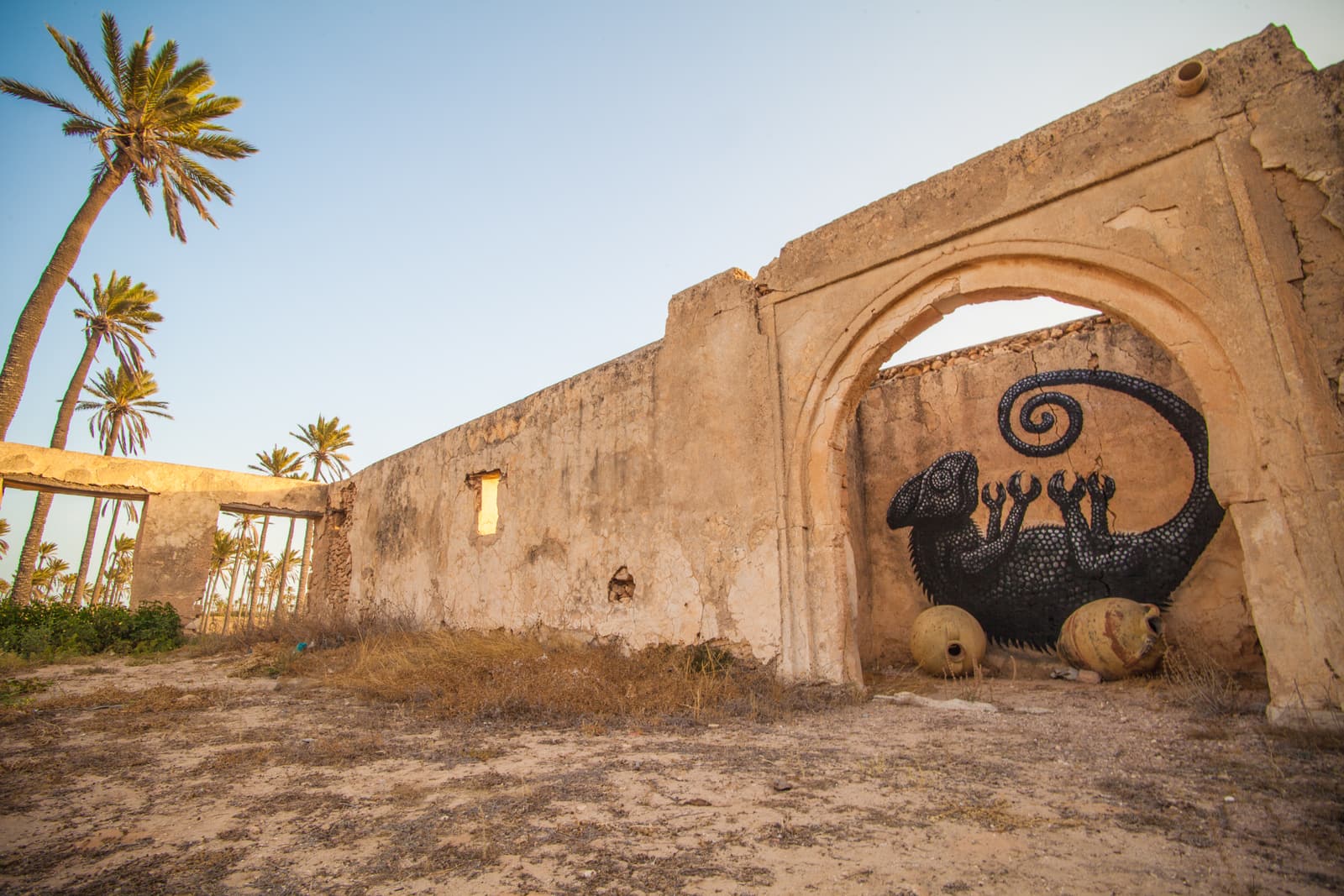
Djerbahood (Erriadh)
A traditional village turned open-air street-art gallery.
In 2014 artists from around the world were invited to paint the whitewashed walls of Erriadh. Hundreds of murals later, the village’s lanes, domes and doorways form one of the most unusual art walks in the Mediterranean.
 Towns, villages & heritage
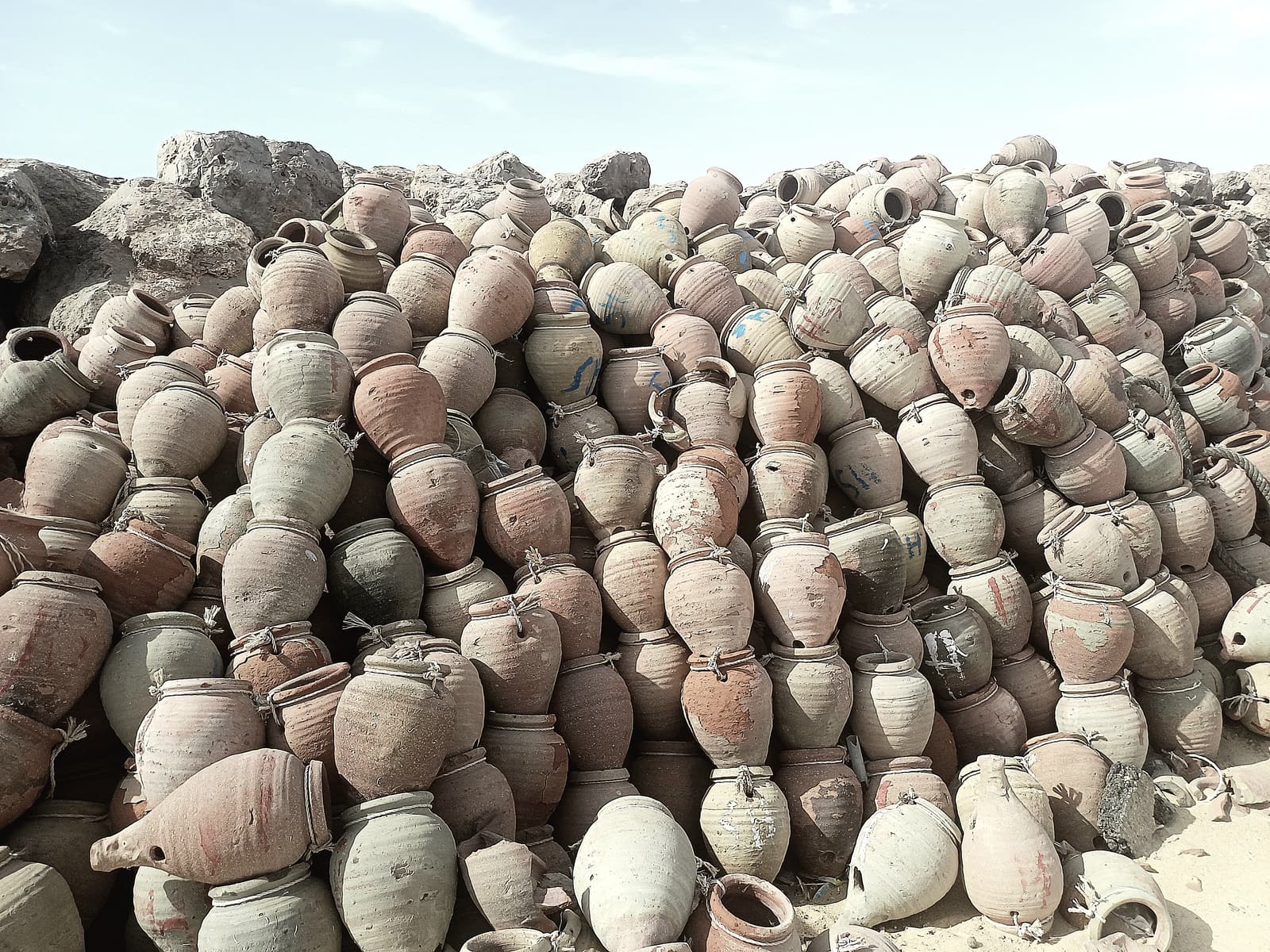
Guellala
The pottery village of the south coast, with a hilltop heritage museum.
For centuries Guellala has made the jars, pots and amphorae of Djerba from the clay of its low hills. Workshops line the main street, some partly underground, and a museum on the ridge above the village tells the story of island life.
Safety
Djerba is generally a relaxed and welcoming place, and the hotel zone and main sights are well policed. Take the usual precautions with valuables, use metered taxis and agree prices in advance for anything else. Security at El Ghriba is tight after past attacks — follow instructions and check your government’s travel advice, especially for travel to the far south and border regions.
Dress and etiquette
- Swimwear is fine on hotel beaches and pools; cover up in towns, villages and markets.
- Cover shoulders and knees to visit El Ghriba or any mosque that admits visitors; many active mosques are closed to non-Muslims.
- Ask before photographing people, especially women and older residents.
- Bargaining in souvenir shops is normal; keep it friendly.
- During Ramadan, avoid eating, drinking or smoking in public during daylight outside tourist areas; hotels and many tourist restaurants keep serving.
Food and drink
Djerbian cooking leans on fish and seafood, olive oil, couscous and spices. Look for couscous with fish, grilled fish and octopus, brik (a crisp pastry with egg), ojja (eggs in a spicy tomato and pepper sauce), fricassé (a small fried sandwich) and the island’s rice dish, riz djerbien, steamed with greens, meat and spices. Finish with mint tea and pine nuts. Alcohol is served in hotels and licensed restaurants.
Shopping
Pottery from Guellala, woven blankets and rugs, silver and gold jewellery, straw hats and baskets, olive oil and spices are the classic buys. Compare prices in a few shops in Houmt Souk before bargaining; for pottery, buy at the workshop in Guellala.
Health
Pharmacies are well stocked and private clinics serve the hotel zone. Take sun protection seriously from May to September, drink plenty of water and carry rehydration salts for long desert days. Travel insurance with medical cover is strongly advised.
Suggested itineraries
Three days
- Day 1: Houmt Souk — souks, Borj El Kebir, the harbour and lunch in town.
- Day 2: El Ghriba, Djerbahood and Guellala (by taxi or on a half-day tour), then sunset on the south coast.
- Day 3: Pirate boat to Flamingo Island, or a beach day with a sunset horse ride.
One week
- Add a Sahara trip — ideally two days with a night in the dunes.
- Visit the Fadhloun mosque, the Heritage Museum and a menzel to understand the UNESCO landscape.
- Spend a morning at Djerba Explore with children, and at least two lazy beach days.
Where to go next
Browse all the places to visit, see how to get here and around and choose where to stay.